Guangyu Wang

PhD Candidate
HKUST (Guangzhou)

Guangyu Wang

I am an undergraduate student at Dongbei University of Finance and Economics. During this period, I serve as a research assistant to Zhaonan Wang at New York University. Starting this year, I will begin my PhD studies at HKUST (Guangzhou) as a member of the GIT Lab, led by Jiawei Wang, where I will pursue exciting research on network generative models.

I am passionate about all forms of computer technology. I have compiled Android 6.0 system source code from scratch and maintain a personal NAS server with 80TB of storage capacity.

News

RSS
Old News

Research

Data Mining for Real-World Problems

Hybrid dynamical systems evolve continuously, leaving traces of their spatiotemporal properties. I study data-mining methods that learn from these traces, with a focus on network event evolution [KDD 2026], residual correction for traffic forecasting [CIKM 2026], and models of virality and causal inference [Ongoing]. My goal is to extract reliable signals from noisy and constantly changing data to understand real-world problems and support decision-making.
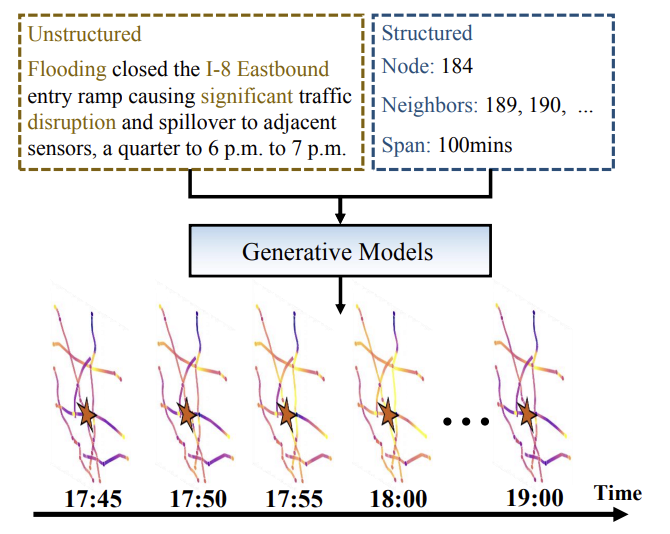
Net-Ev2 network event evolution model

Greatest GNN in ST

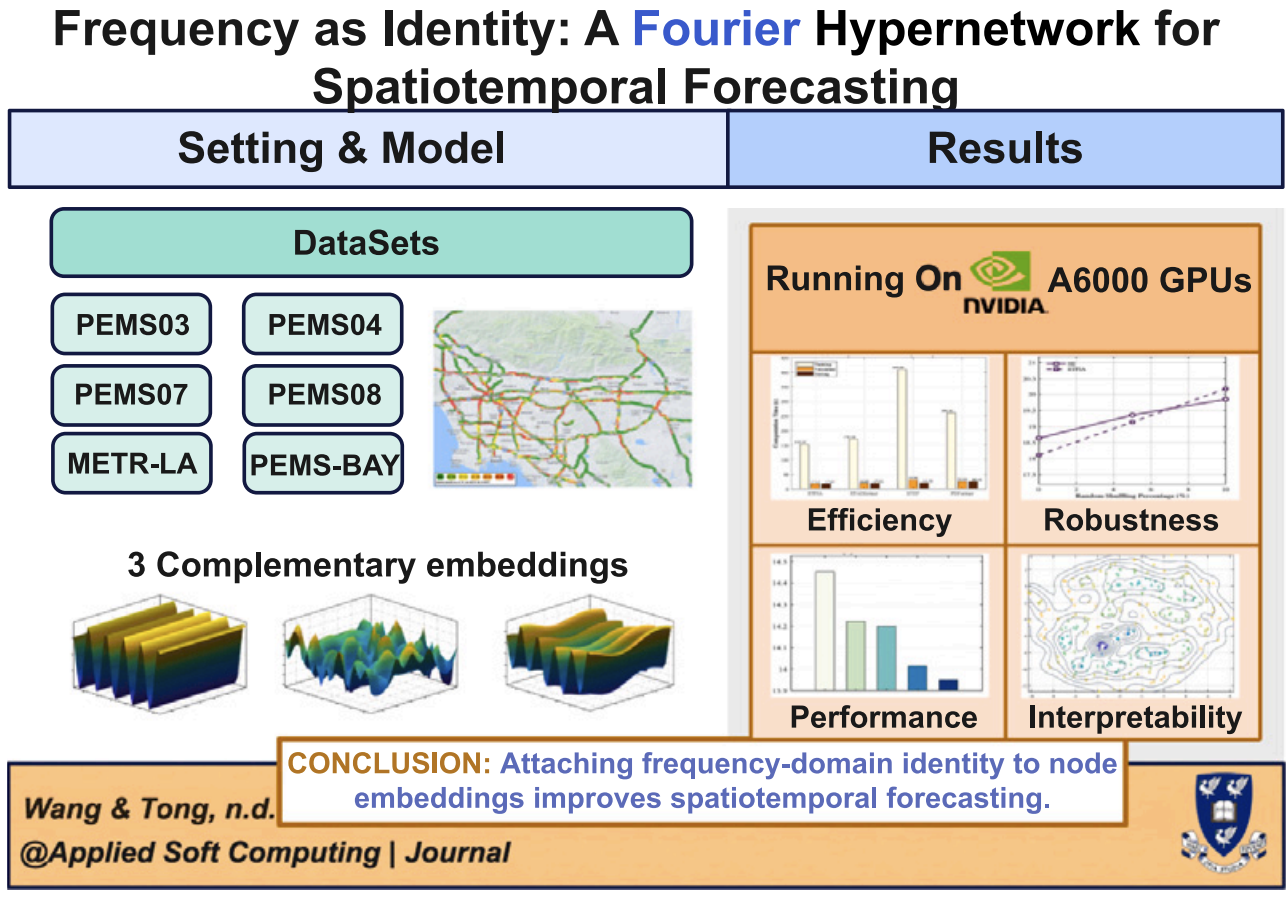
I am fascinated by the elegant properties of graph neural networks. I study the role of GNNs in spatiotemporal systems [Pattern Recognition], investigate when simpler models can replace GNNs [Applied Soft Computing], and explore the problem of spatial indistinguishability [Ongoing]. This direction combines model analysis with practical forecasting methods to improve the accuracy, robustness, and interpretability of spatiotemporal models.

Fourier hypernetwork for spatiotemporal forecasting

Urban Data Management

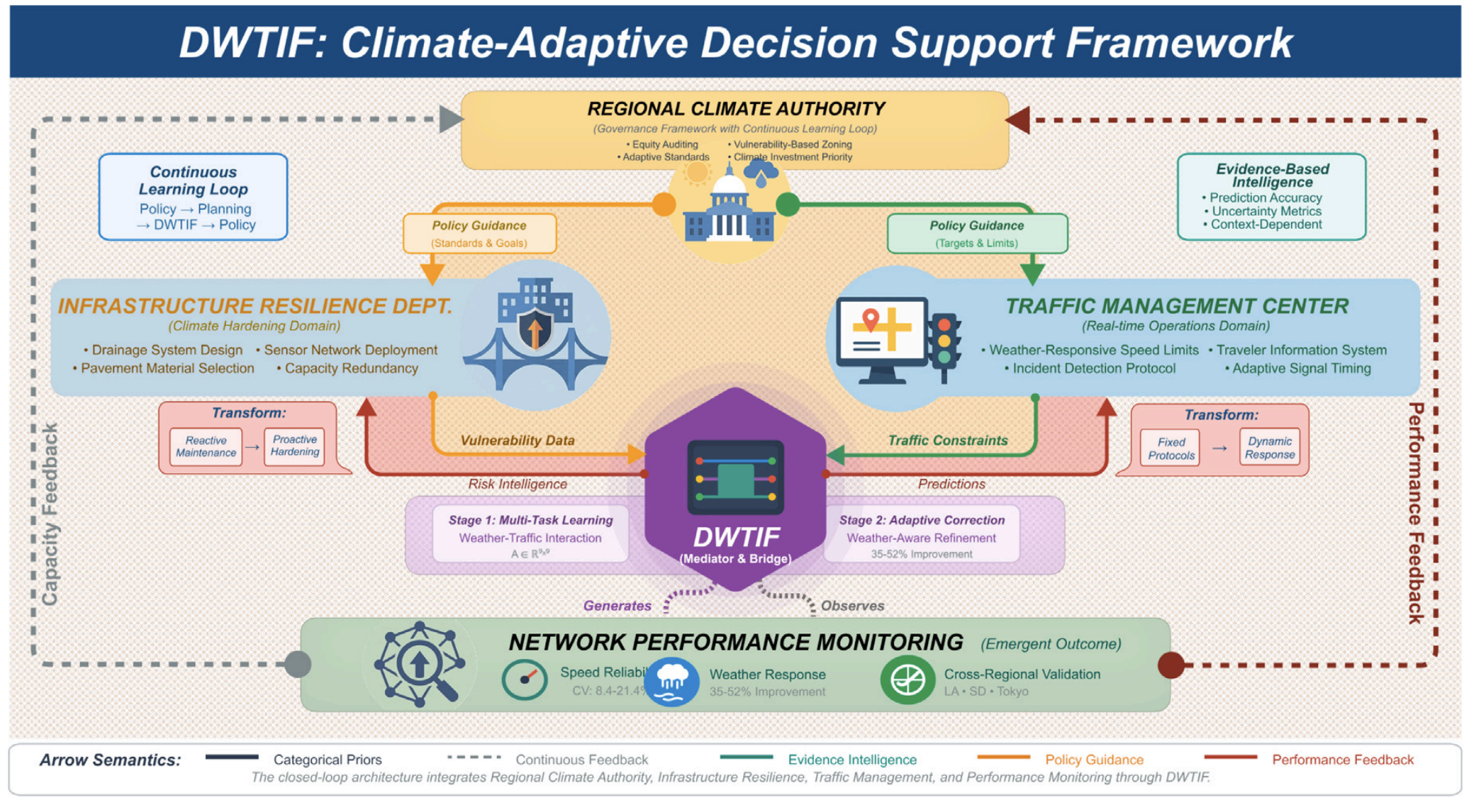
I study the interactions among people, infrastructure, and cities through artificial intelligence and spatiotemporal modeling methods for urban data management. My work includes multimodal representation [Cities], interpretable prediction [Journal of Transport Geography], theory-driven decision support [npj Urban Sustainability, Transportation Research Part A], and climate adaptation [Urban Climate]. My goal is to connect machine learning with urban knowledge so that models can support transparent decision-making and transfer across real-world urban contexts.

Climate-adaptive transportation infrastructure framework

Potential Collaboration